
Transform Your Brand for 2026: Design Trends That Deliver Results
If 2025 was the year brands started whispering “innovation,” then 2026 is the year they shout it! Visuals, design system, and experience are captivating enough not only to capture the eyes but also the hearts. Slowly but surely, the branding world takes a wild turn; one moment, it is screaming in loud neon colors; the next, everyone is obsessed with soothing, calm, minimal tones. But brand designs are evolving every now and then! Crazy shift every time!
Design, visuals, colors, and themes shout out loud your brand identity, but does this identity actually bring you the desired results? Well, it’s time to rethink it. Or if you’re someone just starting out with your brand, this blog is your ultimate design guide. As 2026 approaches, a massive design shake is brewing. So, grab on tight!
This blog will walk you through the top brand design trends for 2026. Right from hyper-personalization to next-level motion branding and the comeback of nostalgic visuals with a futuristic twist. Whether you are a business owner, a designer, or someone who actually just loves staying ahead of the creative curve, these trends will show you what’s going to shape the future of branding!
So, grab a cup of coffee and your iPads as we decode the next brand revolution together!
Hyper-Personalized Brand Experiences — Bye-Bye One-Size-Fits-All
Templated branding and generic visuals are outdated now! It’s 2026, and users want to experience designs tailored to them. Brands are now focused on data-driven, dynamic, human-centered AI design systems that deliver personalized experiences based on location, behavior, and preferences. Imagine your app or website is customized to match users’ past experience or mood; that’s the kind of personalization individuals crave.
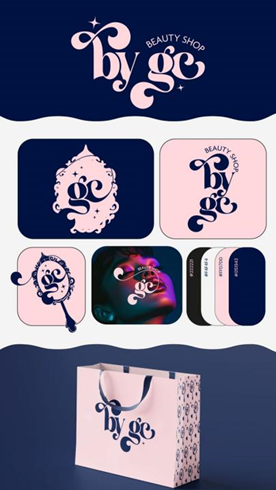
This is not only about providing a personalized expertise but also about building consumer and brand trust, resulting in stronger loyalty, deeper engagement, and higher conversion rates.
Motion-First Branding — Because Static Logos Are So Last Decade
Scroll, pause, click, and repeat. This is the syntax of modern attention spam, and honestly, static visuals just don’t cut it anymore. Brands are now relying on Motion as a part of their brand image.
Motion brings a brand’s identity to life through animated logos, micro-interactive icons, and kinetic typography that express its personality. Motion-First Brands 2026 become more relatable through a sense of dynamism, humanness, and memorability.
Pro Tip: To increase engagement without overwhelming your audience, consider using subtle animations (such as hover effects) in addition to loading animations when designing your app or website.
Hyperreal 3D Visuals & Spatial Design — Enter the Next Dimension
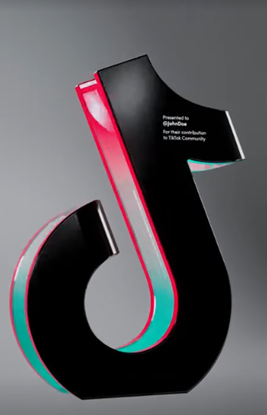
3D graphics aren’t just for video games anymore; they are a crucial branding tool now. Hyper-realistic 3D images allow consumers to see and feel the same experience that physical products give. There are many ways in which brands can use mixed reality, including AR (augmented reality) experiences, virtual product displays, and interactive brand areas that combine physical and digital spaces.
The immersive aspect of mixed reality gives consumers a lasting impression of the products they interact with, rather than just viewing them on a screen.
Typography as the Visual Voice — Speak Through Type
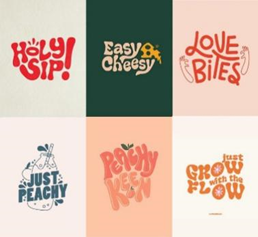
Typography is no longer the supporting actor; in 2026, it’s the brand’s voice. Brands use expressive, bold custom typefaces that show personality through typography and convey tone and emotion. Liquid, experimental font styles; oversized lettering; variable type that does not conform to any set standard; as well as “responsive” typography specific to a given context, all part of the trend.
The changing nature of typography allows for brand messages to be unforgettable, creating strong brand awareness immediately.
Minimalism 2.0 — Clean, Bold, and Purposeful
Minimalism 2.0 is a style of Minimalism ideal for expressing positive emotional content in the layout. Clean and uncluttered layouts with explicit intents, as well as clean contrast on elements that are dominant and contribute to this design aesthetic.
Minimally 2.0 uses Bright and bold color accents because of the use of so many strong contrast elements, Clem. At a minimum, 1.0 uses many visual design elements for the brand; however, the brand can better convey its message to customers with fewer visual design elements.
A clearer overall user experience results from the clarity of the visual design elements used compared to Minimally 2.0.
Global-Local Fusion — Be Everywhere, Feel Local
Brands aim for global presence, but consumers crave local relevance. Thus, designers should develop design trends in 2026 on visual systems that can connect with consumers globally while honoring local stories, beliefs, culture and aesthetics.
By creating genuine connections and understanding users through localized designs rather than generic ones, users will support and remain loyal to brands.

Inclusive and Diverse Design — Representation Matters
Brands can relate to their consumers through a more humanistic approach when they utilize cultural diversity, relevant color palettes, multiculturalism and inclusivity into their design systems. Brands strategy 2026 created with a focus on inclusion is designed to be inclusive and represent the variety of races, ethnicities, and cultures.
By including all people in their designs, these brands build consumers’ trust and confidence in their community; therefore, they connect with a larger clientele than those that do not have an inclusive focus.
How to Use These Trends without Getting Overwhelmed
What’s more important than catching every single thing at once? You need to start with these 4 things:
- Auditing all current brand assets. Identify what looks old/faded and what looks fresh/strong.
- Select 2 to 3 design trends that work for your target customers and your business objectives.
- Experiment and revise your design before moving to a complete redesign.
- Use real data, not guesswork, to measure the success of your brand design. Progress > perfection every time!
The concept of branding in 2026 is moving beyond simply being visually appealing; it is increasingly about how customers perceive the brand in terms of its relevance to them. It has to have a personal connection and resonate with consumers as a whole.
As brands increasingly increase revenue streams by creating hyper-personalized customer experiences, they will continue to use motion-based branding (animated logos) to complement their growing use of sustainable aesthetics and inclusive design/imagery to connect with their target consumers. Therefore, any brand in 2026 is genuinely committed to achieving success rather than individual recognition and will use these emerging trends as its roadmap.